Preliminary concept plans are the right first step for any residential project.
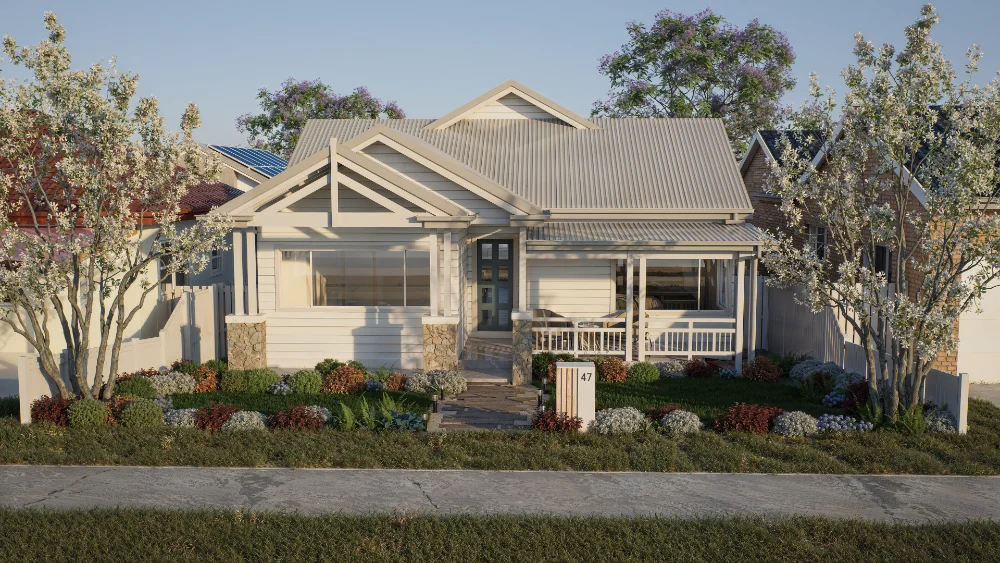
Before committing to the cost of permit plans, concept plans let you test your idea against the planning rules, refine the design, and get a realistic picture of what’s achievable on your site. They also give your builder enough detail to provide a preliminary cost estimate, which can save a lot of time and money later.
At Be Shaw Drafting, the concept stage is where we do the groundwork. We review your proposal against NSW planning policy, confirm the most suitable approval pathway, and identify any site constraints before a full set of drawings gets underway.
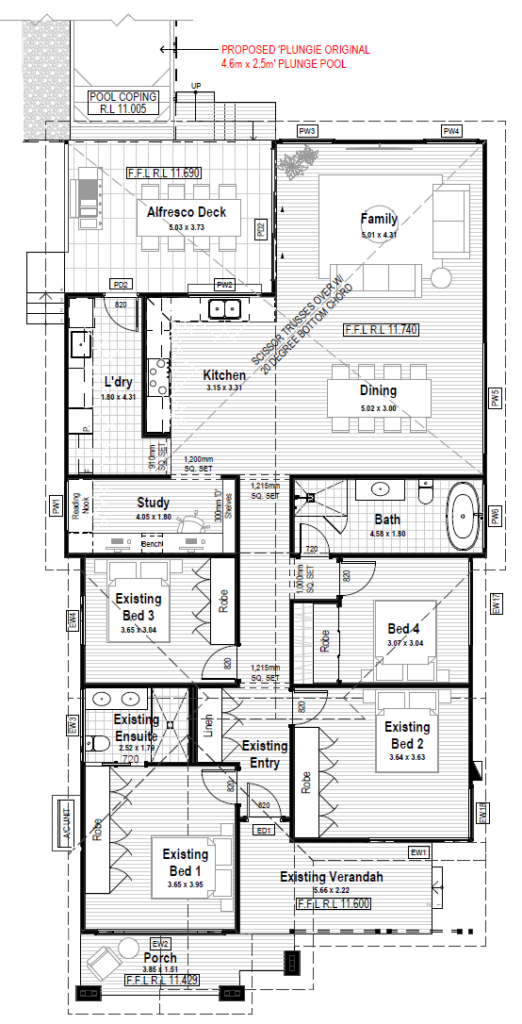
Preliminary concept plans are early-stage drawings that capture the proposed layout, form, and intent of your project. They aren’t a final set of documents; they’re a working tool. The aim is to develop the design to the point where you’re confident it works before you commit to the full permit and construction documentation.
For homeowners, that means seeing how the design sits on your block, how the rooms connect, and how the building presents from the street. For builders and developers, concept plans carry enough detail to price the job accurately.
Regardless of the pathway, all development is subject to site-specific constraints including bushfire, flooding, landslip, coastal hazards, heritage, mine subsidence, and easements. The most reliable way to confirm what applies to your property is by obtaining a Section 10.7 Planning Certificate.
Certain minor works can be carried out without any formal approval, provided they meet every requirement of the relevant clause under the Exempt and Complying Development Codes SEPP. If a single standard is not met, the work is not exempt. Exempt development typically applies to small-scale, low impact works such as minor decks, sheds, fencing, and repairs.
CDC is a fast-tracked approval pathway assessed by a private certifier rather than council. It applies to a range of residential projects including alterations and additions, new primary dwellings, secondary dwellings (granny flats), dual occupancies, pools, garages, and carports. To qualify, the proposal must meet all prescriptive requirements including setbacks, height, landscaping, lot size, and bushfire rating. If any single standard is not met, the project cannot proceed under CDC.
If a project does not meet the requirements for exempt or complying development, it must be lodged with council as a DA. Unlike CDC, a DA allows for non-compliances to be assessed on merit, which provides more flexibility. The trade-off is longer assessment timeframes. Once a DA is approved, a Construction Certificate (CC) is required before building work can commence.
A lot of projects run into problems because the approval pathway isn’t confirmed before work begins. Some projects qualify as exempt development and need no formal approval at all. Others require a CDC through a private certifier, or a full DA through council. Getting those wrong early, costs time and money.
During the preliminary concept stage, we review your proposal against the NSW State Environmental Planning Policy (Exempt and Complying Development Codes) and confirm which pathway applies to your project. We also identify any site-specific constraints including bushfire, flooding, heritage, and easements that affect what’s permissible.
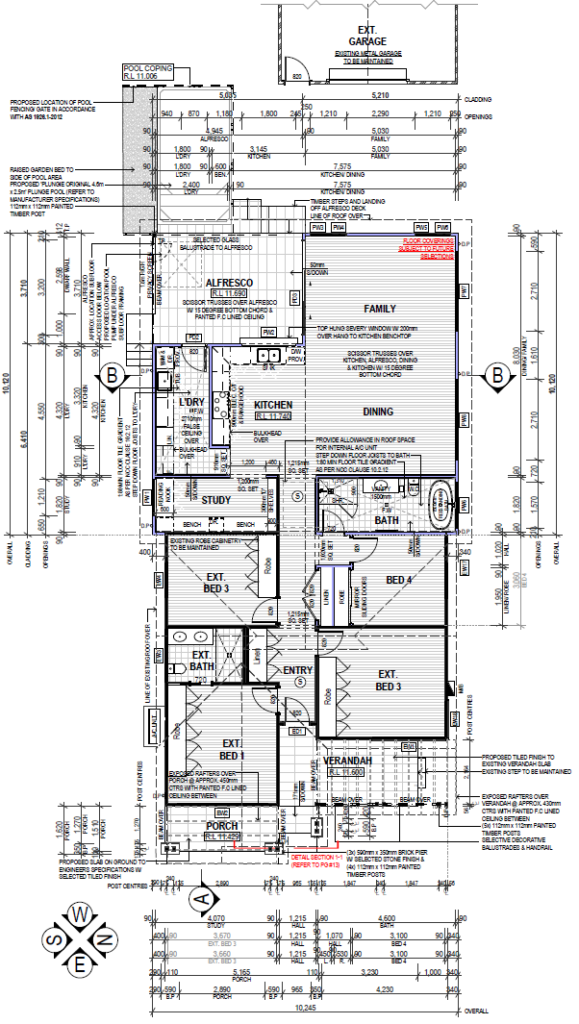
Once you’re happy with the concept, we prepare a fee proposal for the permit plan stage. For DA projects, drawings are produced to a level of detail early in the process to make the path to a Construction Certificate as straightforward as possible. Be Shaw Drafting can manage the entire lodgement process including sourcing and coordinating all consultant plans and reports required for approval, or work alongside consultants you’ve already engaged.
Not sure what your project needs or whether your idea is feasible? Get in touch, we’ll review your site, talk through what you’re trying to achieve, and give you a straight answer on what’s possible before any permit plan fees are involved.